What is color blindness?
If you have color blindness, it means you see colors differently than most people.
Most of
the time, color
blindness makes it hard to tell the difference between certain colors.
Usually, color blindness runs in families. There’s no cure, but special glasses and contact lenses
can help.
Most people who are color blind are able to adjust and don’t have problems with everyday activities.
more
What are the symptoms of color blindness?
The main symptom of color blindness is not seeing colors the way most people do. If you’re color blind, you may have trouble seeing:
- The difference between colors
- How bright colors are
- Different shades of colors
Symptoms of color blindness are often so mild that you may not notice them. And since we get used to
the way
we see colors, many people with color blindness don’t know they have it.
People with very serious cases of color blindness might have other symptoms, too — like quick
side-to-side
eye movements (nystagmus) or sensitivity to light.more
Am I at risk for color blindness?
Men have a much higher risk than women for color blindness. But this is not necessary. You’re also more likely to have color blindness if you:
- Have a family history of color blindness
- Have certain eye diseases, like glaucoma or age-related macular degeneration (AMD)
- Have certain health problems, like diabetes, Alzheimer’s disease, or multiple sclerosis (MS)
- Take certain medicines
- Are white
If you think you may have color blindness, talk with your doctor about getting checked.more

What causes color blindness?
The most common kinds of color blindness are genetic, meaning they’re passed down from
parents.
Color blindness can also happen because of damage to your eye or your brain. And color vision may get
worse
as you get older — often because of cataracts (cloudy areas in the lens of the eye).more
How can I find out if I have color blindness?
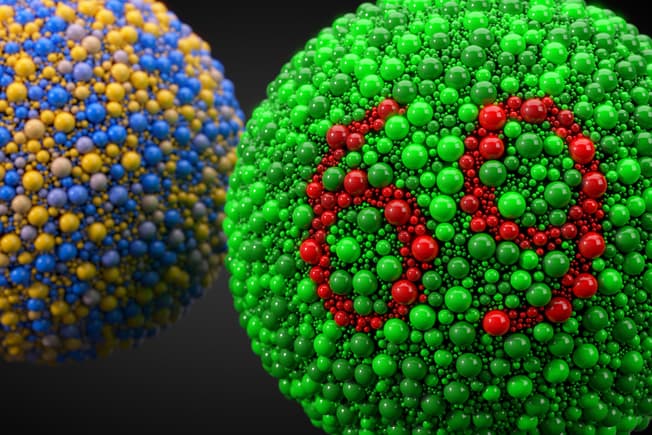
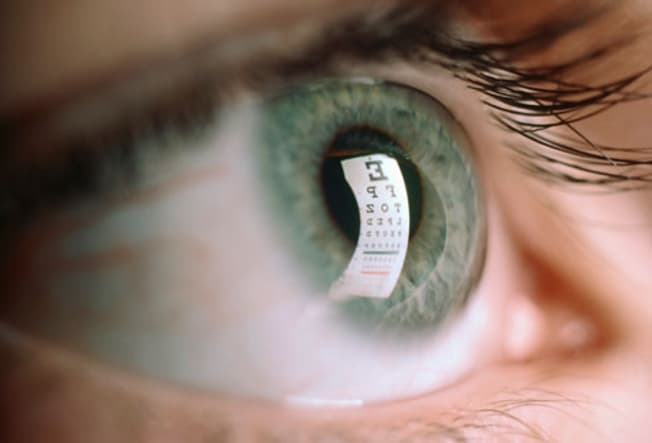
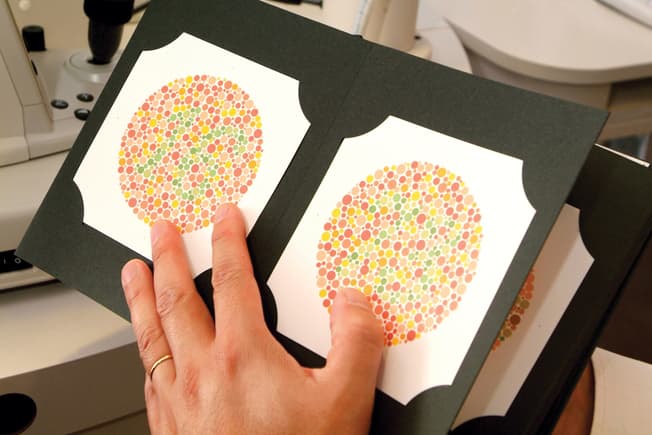
During the test, your eye doctor will show you a circle made of many different colored dots. The circle has a shape inside it that’s made out of dots — like a number, a letter, or a squiggly line. This shape is easy to see if you don’t have color blindness, but people who are color blind have a hard time seeing itmore
Two Main Types of Color Blindness :-
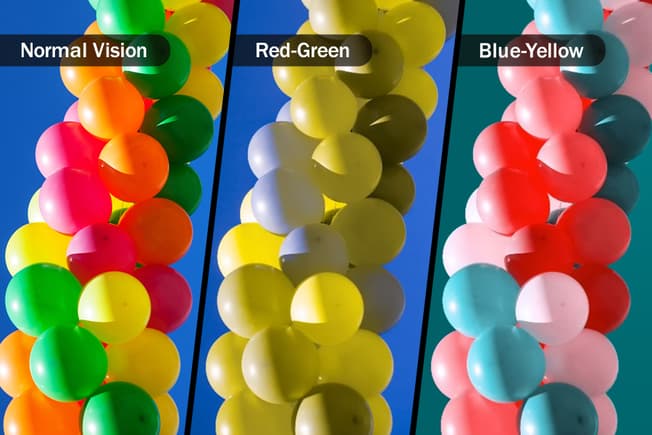
With the most common kind of colorblindness, you can’t tell the difference between some shades of red and green. Other people have a type that makes you confuse certain shades of blue and yellow. Either one can be mild, moderate, or severe.
How Colorblindness Happens
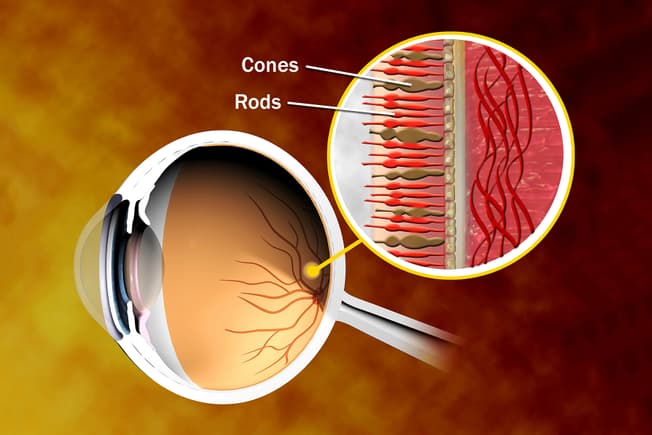
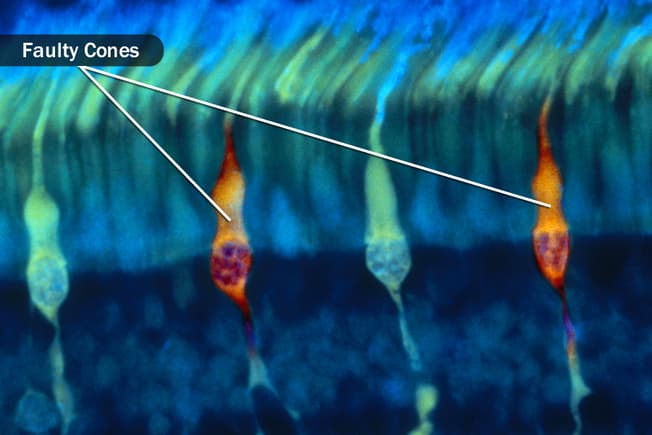
If you’re colorblind, that means there's a problem with at least one kind of cone. Those cones could be missing, or they might pick up a different color than they should. For instance, some cones could have defective genteic coding for specific color sensitive chemicals. Either way, they can’t send your brain the right information. Since the cones also help you see the fine details of what you’re looking at, colorblindness might also make you see a little less sharply.